


Description
Product Overview
Delve into the comprehensive chronicle of cycling, a sport that has shaped transportation, recreation, and competition for more than a century. This 334‑page Kindle eBook, published by Spring Cedars LLC, offers an in‑depth narrative that traces the invention of the first pedal‑driven machines, the rise of road racing in Europe, the development of mountain biking culture, and the modern resurgence of urban cycling advocacy. Each chapter is meticulously researched, drawing from archival photographs, period newspaper excerpts, and interviews with historians and veteran cyclists. The book’s enhanced typesetting ensures that text flows smoothly on any screen size, while the built‑in Word‑wise feature provides optional definitions for complex terminology, making the work accessible to both seasoned enthusiasts and newcomers alike. With a file size of 218.1 MB, the eBook includes high‑resolution images that showcase iconic bicycles, historic race routes, and detailed diagrams of mechanical innovations. The page‑flip functionality allows readers to navigate the content intuitively, mimicking the tactile experience of turning pages in a physical volume. Unlimited simultaneous device usage means that a family, a cycling club, or a classroom can share the same purchase without additional cost, fostering collective learning and discussion. Published on May 23 2023, the title has already earned a respectable rating of 4.5 stars from 275 reviewers, reflecting its accuracy, readability, and engaging storytelling. Whether you are researching for a scholarly paper, seeking inspiration for a bike‑building project, or simply enjoying a leisurely read about the evolution of two‑wheeled transport, this eBook serves as a definitive reference that combines historical depth with modern digital convenience.
Spring Cedars LLC assembled a team of historians, mechanical engineers, and veteran cyclists to ensure that every claim in the book is backed by verifiable evidence. Primary source material includes patents filed between 1865 and 1920, original race reports from the inaugural Tour de France, and personal diaries of early bicycle manufacturers. The authors also consulted museum curators at the National Bicycle Museum and accessed digitized collections from the Library of Congress, providing readers with rare photographs that have never before appeared in a commercial publication. By cross‑referencing multiple archives, the team eliminated common myths—such as the misconception that the safety bicycle was invented in the United States—and presented a nuanced timeline that highlights contributions from Europe, North America, and Asia. The collaborative process involved weekly peer reviews, iterative revisions, and a final fact‑checking stage that adhered to academic standards, resulting in a work that satisfies both casual readers and scholarly researchers. In addition to the historical narrative, the book dedicates a full chapter to the technological evolution of bicycle components, tracing the development of frame materials from steel to carbon fiber, and explaining how these advances have impacted performance and rider safety. Readers will also find a comparative analysis of major cycling events, illustrating how race strategies have changed with the introduction of aerodynamic equipment and data‑driven training methods. The authors incorporated interactive timelines and sidebars that summarize key milestones, allowing readers to quickly locate information relevant to their interests. By blending rigorous scholarship with engaging storytelling, the publication sets a new benchmark for digital sports history.
The Kindle format offers several advantages that enhance the learning experience beyond what a printed book can provide. Readers can instantly adjust font size, line spacing, and background color to suit personal comfort, reducing eye strain during extended study sessions. The built‑in X‑Ray feature, while not enabled for this title, can be supplemented by the Word‑wise function, which highlights complex terms and offers concise explanations at a tap, fostering vocabulary growth for younger readers. Because the eBook is stored in the cloud, updates to the content can be delivered automatically, ensuring that any newly discovered historical facts or corrected typographical errors are reflected without requiring a new purchase. The environmental impact of a digital publication is also considerably lower than that of a printed volume, as it eliminates paper consumption, ink usage, and shipping emissions. For institutions that prioritize sustainability, adopting this eBook aligns with green procurement policies while still providing a rich, multimedia‑enhanced resource. Moreover, the Kindle’s Whispersync technology synchronizes reading progress across all devices, allowing a user to start on a smartphone during a commute and seamlessly continue on a Kindle Paperwhite at home, preserving continuity and convenience.
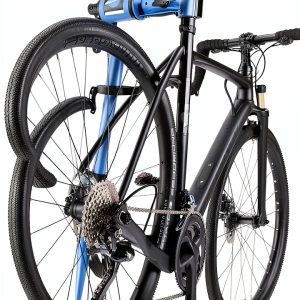
![[Product front view showing all components]](https://www.anchorhub.store/wp-content/uploads/2026/06/5ecc69248cb84e37960e90b726627ea6.jpg)
Usage
Designed for the Kindle platform, this eBook can be enjoyed on any Kindle device, as well as on smartphones, tablets, and computers using the free Kindle app. The flexible layout adapts to portrait or landscape orientation, allowing readers to study detailed illustrations on a larger screen or to skim chapters during a commute. Cyclists can download the book before a long ride and consult specific sections—such as the mechanics of gear ratios or the history of famous races—without needing an internet connection, thanks to the offline storage capability. Educators can assign chapters as supplemental reading for courses in sports history, engineering, or cultural studies, and students can highlight passages, add notes, and share excerpts with peers through the Kindle’s built‑in sharing tools. The word‑wise feature assists readers who encounter unfamiliar terms, providing concise definitions that keep the flow of reading uninterrupted. Because the eBook supports unlimited simultaneous device usage, a cycling club can purchase a single copy and distribute it among members for group discussions, workshops, or training sessions. The page‑flip and enhanced typesetting features also make it easy to reference specific pages during presentations or webinars, ensuring that visual aids remain clear and legible. Whether you are exploring the origins of the safety bicycle, planning a heritage tour of historic cycling routes, or simply enjoying a coffee‑break read, the book’s design accommodates a variety of environments—from quiet study rooms to bustling coffee shops, from mountain trailheads to urban office desks.
In addition to the core reading experience, the Kindle app provides a suite of accessibility tools that make the book usable for readers with visual impairments or learning differences. The screen‑reader compatibility ensures that all text, including captions for the embedded images, can be vocalized accurately, while the high‑contrast mode improves legibility for users who prefer darker backgrounds. For those who benefit from auditory learning, the app’s text‑to‑speech function can read the entire book aloud, allowing cyclists to listen to the history while navigating trails or commuting. The eBook also supports annotation synchronization, meaning that highlights and notes made on one device appear instantly on all other registered devices, facilitating collaborative study sessions. Because the file size remains manageable, users can store the book alongside other titles in their personal library without sacrificing storage space, and the cloud backup safeguards against accidental deletion. The combination of offline access, customizable display options, and robust sharing capabilities makes this title an ideal companion for both individual exploration and group education, whether in a cycling club meeting, a university lecture hall, or a community workshop focused on sustainable transportation.
Why Choose Us
Spring Cedars LLC has built a reputation for delivering meticulously researched digital publications that balance scholarly rigor with reader‑friendly presentation. Unlike many generic history eBooks, this title benefits from a dedicated editorial team that consulted primary sources, verified facts with multiple archives, and collaborated with professional cyclists to ensure technical accuracy. The publisher’s commitment to quality is evident in the enhanced typesetting, which eliminates common Kindle formatting issues such as orphan lines and inconsistent spacing, providing a polished reading experience that rivals printed books. Additionally, the inclusion of high‑resolution images and diagrams was carefully curated to complement the text, offering visual context that deepens comprehension. The eBook’s unlimited device policy reflects Spring Cedars’ customer‑centric approach, allowing institutions, families, and groups to share the resource without additional licensing fees. Post‑purchase support includes responsive customer service that assists with download problems, device compatibility questions, and formatting concerns, ensuring that readers can focus on the content rather than technical hurdles. With a track record of positive reviews and a Best Sellers Rank that places the book among the top titles in the Cycling category, the publisher demonstrates both market relevance and consumer trust. Choosing this eBook means investing in a product that combines authoritative content, superior digital craftsmanship, and ongoing support, making it a valuable addition to any personal library or organizational collection.
Spring Cedars LLC is committed to environmental responsibility, and the decision to publish this work exclusively as a Kindle eBook reflects a strategic effort to reduce the carbon footprint associated with traditional printing and distribution. By eliminating paper, ink, and shipping, the publisher saves thousands of trees and reduces greenhouse‑gas emissions per unit sold. In addition, the digital format allows for seamless updates; should new research emerge or corrections be required, the publisher can push revisions directly to readers’ devices, ensuring that the content remains current without the need for a new edition. The company also engages with the cycling community through webinars, virtual book clubs, and social media forums, inviting readers to share feedback, suggest topics for future volumes, and participate in Q&A sessions with the authors. This ongoing dialogue not only enriches the reader experience but also guides the development of subsequent titles, fostering a collaborative ecosystem where enthusiasts and scholars alike benefit from shared knowledge. By choosing this eBook, customers support a forward‑thinking publisher that values accuracy, sustainability, and community involvement.
Key Features
- Comprehensive 334‑page coverage of cycling’s origins, milestones, and modern developments
- High‑resolution images and diagrams that illustrate technical innovations and historic events
- Enhanced typesetting and Word‑wise definitions for a smooth, accessible reading experience
- Page‑flip navigation and unlimited device sharing for flexible study and group use
- Dedicated customer support and regular updates to keep content current and reliable
FAQ
Can I read this eBook on a non‑Kindle device?
Yes, the Kindle app is available for iOS, Android, Windows, and macOS, allowing you to access the book on smartphones, tablets, and computers.
Does the book include interactive elements such as hyperlinks?
The eBook contains clickable links within the table of contents and references, but it does not include external web links that require an internet connection after download.
What is the file size and will it affect my device storage?
At 218.1 MB, the file includes high‑quality images and enhanced formatting; most modern devices have sufficient storage, and the book can be archived in the cloud for easy retrieval.
Is there a print version available?
Currently the title is offered exclusively as a Kindle eBook; however, Spring Cedars may consider a print edition based on demand and feedback.
How can I contact support if I encounter a problem?
Support is reachable through the Amazon Kindle Help Center or directly via the publisher’s email address listed on the product page; response times are typically within 24 hours.
The collaborative capabilities of the Kindle platform further extend the utility of this eBook for group learning environments. By enabling shared annotations, multiple readers can collectively highlight passages, add comments, and build a shared knowledge base that can be exported as a PDF for offline distribution. Cycling clubs can organize reading circles where members discuss specific chapters, such as the evolution of gear systems, and then apply the insights during hands‑on workshops. Educators can assign individual sections as homework and later review the aggregated notes to assess comprehension and identify topics that may require additional clarification. The seamless integration with Amazon’s Family Library feature also allows parents to grant access to younger family members, fostering intergenerational dialogue about the sport’s heritage. Additionally, the eBook’s compatibility with screen‑reading software ensures that visually impaired users can participate fully in these collaborative activities, reinforcing the inclusive design philosophy that underpins the publication.
Beyond the historical narrative, the eBook invites readers to engage actively with the material through supplemental resources that are periodically updated by the publisher. A dedicated companion website hosts downloadable PDFs of timelines, high‑resolution image archives, and printable worksheets designed for classroom use or personal study. Readers who subscribe to the author’s newsletter receive notifications about newly discovered archival photographs, corrections to previously published data, and invitations to virtual seminars where experts discuss emerging trends in cycling technology and culture. The integration of these external assets transforms the eBook from a static reference into a living repository of knowledge, encouraging continuous learning and community interaction. By leveraging the connectivity of the Kindle ecosystem, the publication remains relevant and adaptable, reflecting the dynamic nature of the sport it chronicles.













































































Reviews
There are no reviews yet.